


Stakeholders, health advocates and traditional leaders have called on the Federal Government to make genotype testing free in public health facilities across the country as part of efforts to reduce the burden of sickle cell disease.
They also urged the government to introduce sickle cell education into the school curriculum from basic education to the university level.
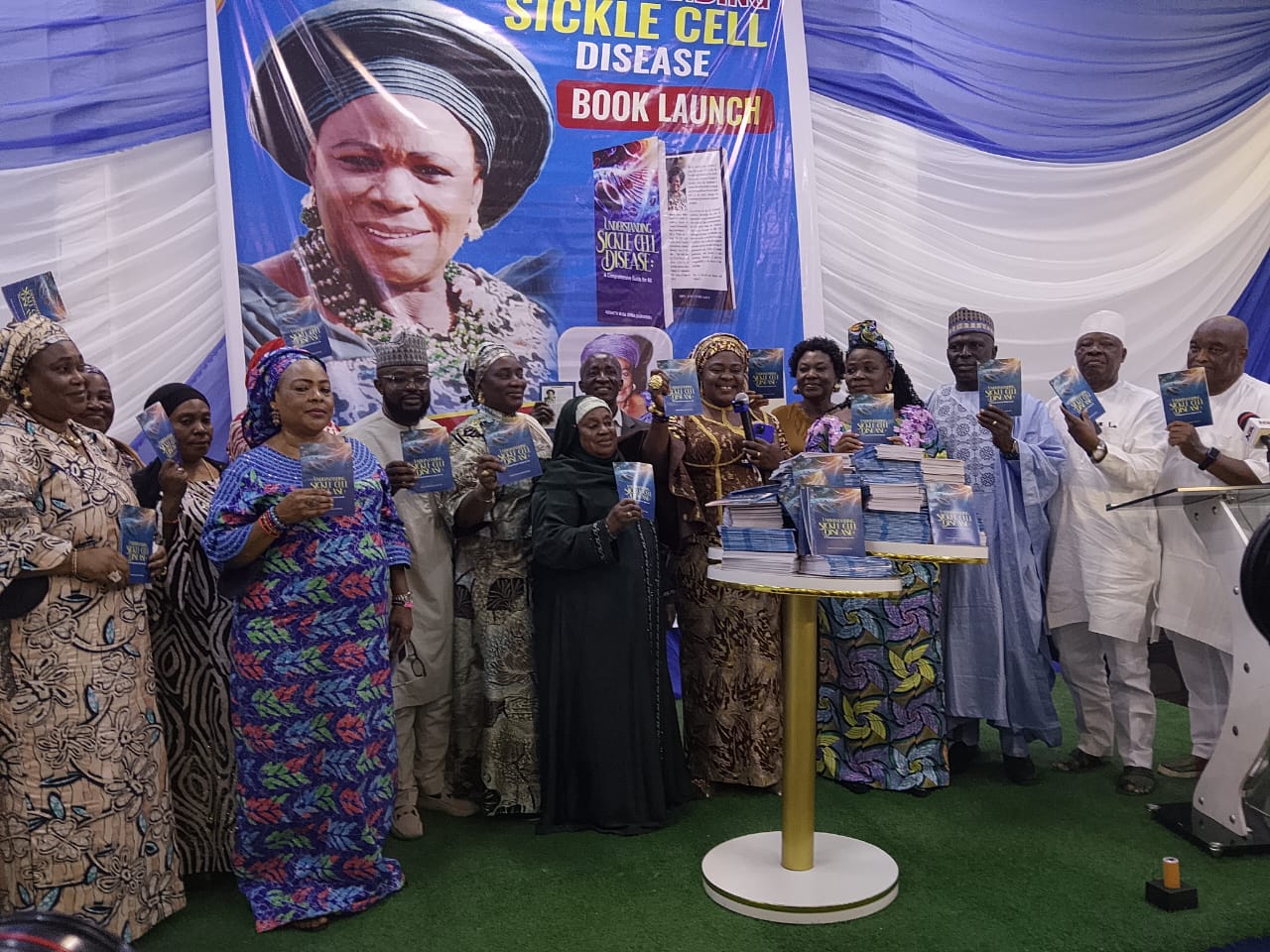
The stakeholders made the demands in Abuja at the public presentation of a book, “Understanding Sickle Cell Disease: A Comprehensive Guide for All,” written by Mrs Adeshetu Musa P. Odiba, a 54-year-old sickle cell survivor and civil servant with the Office of the Head of the Civil Service of the Federation.
The event, themed “Awareness Today, Healthier Tomorrow,” brought together government officials, traditional leaders, medical advocates and other stakeholders.
Odiba, who spoke at the event, lamented what she described as inadequate policy attention and funding for sickle cell disease compared with HIV, tuberculosis and malaria.
She called for free genotype screening, better-equipped blood banks, expanded haematology departments in hospitals and the recruitment of more specialist personnel.
“Look at HIV, tuberculosis, and malaria—there are dedicated agencies and high sensitivity towards them. But with sickle cell, millions are suffering.
“We want the government to make genotype testing completely free, expand laboratory facilities and blood banks, and employ more haematologists,” she said.
Also speaking, Dr Jumai Ahmadu of the Federal Capital Territory Administration (FCTA) said people planning to marry should know their genotype, but stressed that government intervention was necessary to ensure vulnerable Nigerians were not excluded because of the cost of testing.
“Genotype testing is mandatory in a sense. Anyone intending to get married should carry out this test, but for those who are vulnerable, the government should step in and make provision for them to undergo genotype testing for free,” Ahmadu said.
Odiba further disclosed that efforts were being made to introduce sickle cell education into Nigeria’s school curriculum, saying young people should be taught about genotype compatibility early in life.
She said she was engaging with the National Assembly, including the Senate Committee on Education, to promote the proposed curriculum integration.
According to her, increased awareness among young people would help them make informed decisions about relationships and marriage.
She said misconceptions and inadequate knowledge about genotype compatibility remained challenges in tackling the disease.
Odiba also urged Nigerians to take genotype testing seriously before marriage, stressing that families affected by sickle cell disease could face significant emotional and financial pressures.
Meanwhile, the President of the Wives of FCT Traditional Rulers Association, Hajia Hauwa Ibrahim Adamu, pledged the support of royal mothers across the 17 kingdoms of the FCT in the campaign against misinformation and stigma surrounding sickle cell disease.
Adamu said traditional institutions would help take awareness messages to communities and town halls.
“This book shows that sickle cell is not a curse or witchcraft, but a medical condition that requires love, knowledge, and care,” she said.
“As mothers, we must encourage pre-marital genotype testing and support our warriors without shame. We will take this message to our palaces and community town halls.”
The author’s husband, Pastor Samuel Odiba, called on religious and faith-based organisations to make genotype verification an important component of pre-marital counselling before weddings are conducted.
He said greater emphasis should be placed on prevention, awareness and informed decision-making.
The stakeholders urged government agencies, healthcare providers, traditional institutions, schools and religious organisations to strengthen collaboration on genotype testing, counselling, public education and support for people living with sickle cell disease.