



President Bola Tinubu on Wednesday dismissed claims that the construction of official residences for judges could undermine judicial independence, insisting that the project is aimed at strengthening the rule of law and improving the welfare of judicial officers.
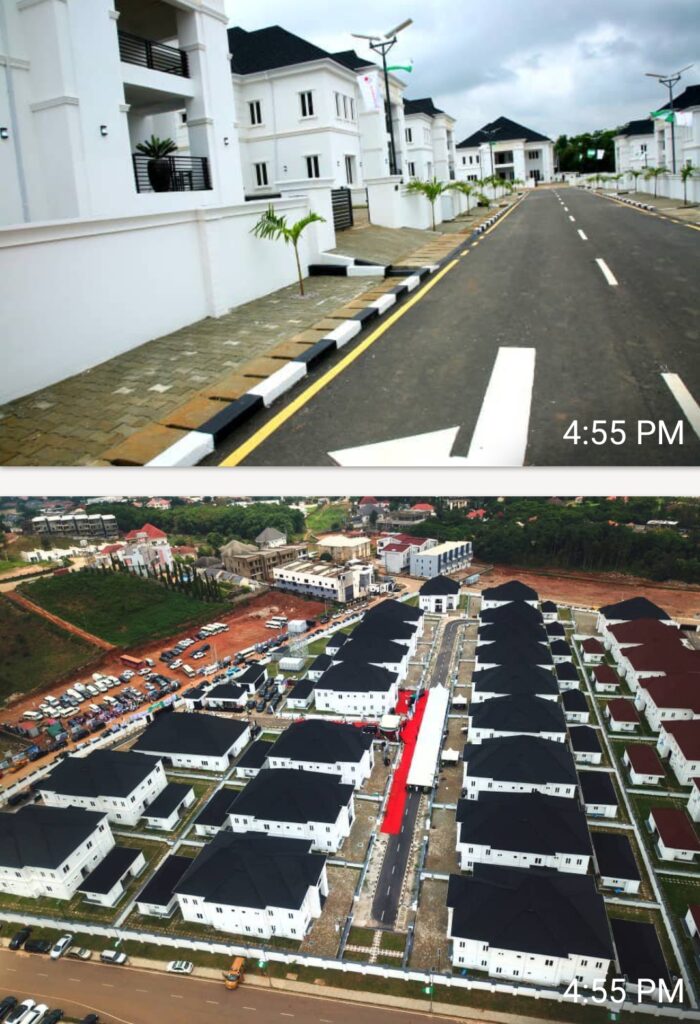
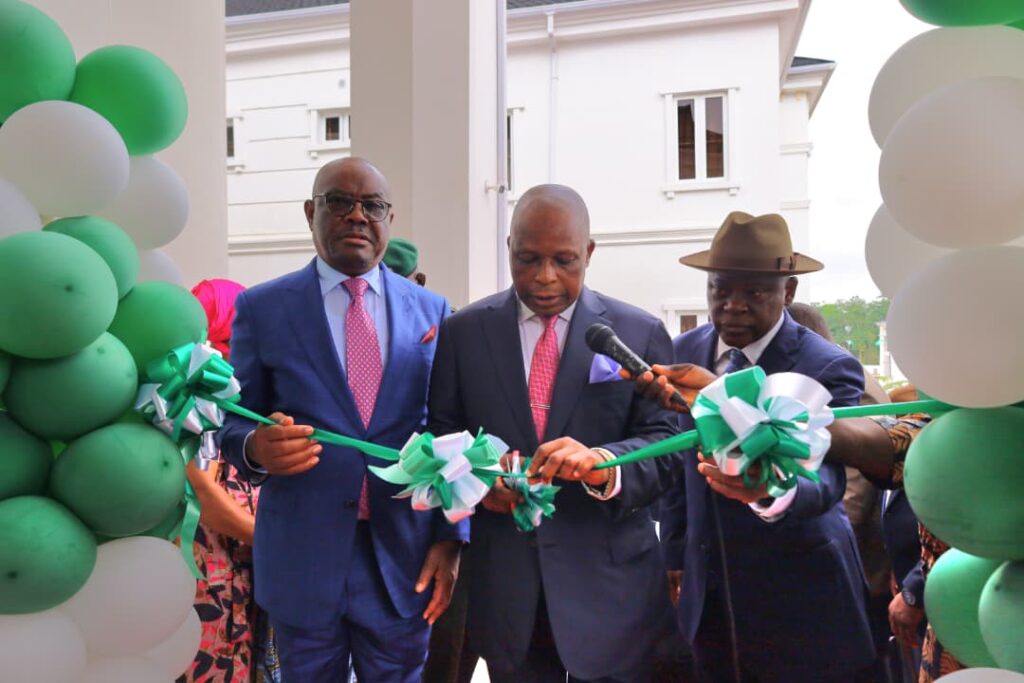
Represented by the Attorney-General of the Federation and Minister of Justice, Lateef Olasunkanmi Fagbemi (SAN), at the commissioning of 20 units of FCT High Court Judges’ Quarters in Katampe, Abuja, the President said the project fulfilled a key promise of his administration under the Renewed Hope Agenda.
“When we embarked on the Renewed Hope Agenda three years ago, we promised to rebuild institutional trust, secure our nation and ensure that the rule of law is neither compromised nor delayed. Today, with the commissioning of these 20 units of FCT High Court Judges’ Quarters, we take another definitive, tangible step towards fulfilling that promise,” Tinubu declared.
He described the housing project as a strategic investment in the judiciary, saying it would provide judges with the comfort, security and dignity required to discharge their constitutional responsibilities without fear or distraction.
The President also dismissed criticisms that the FCT Administration was attempting to influence the judiciary through the project.
“I am aware of media commentary suggesting that the provision of judges’ quarters is intended to exert improper influence on the judiciary. This is simply an intervention project and has nothing to do with the judiciary’s budget, which remains intact and respected,” he said.
According to him, the only influence the project seeks to promote is one that enables judges to dispense justice effectively.
“Comfort frees our judicial officers to focus on their solemn duties, preserve the rule of law and adjudicate without discomfort. That is the kind of influence these facilities are meant to exert,” he added.
Tinubu noted that the project was part of a broader intervention by the Federal Capital Territory Administration (FCTA), recalling that the government had earlier commissioned residential quarters for judges of the Court of Appeal and the Federal High Court, while work had also commenced on housing projects for judges of the National Industrial Court and the Code of Conduct Tribunal.
He commended FCT Minister, Nyesom Wike, for what he described as his commitment to infrastructure development across the nation’s capital.
Earlier, Wike said the project was executed in line with President Tinubu’s directive to improve the welfare and security of judicial officers.
He disclosed that the FCTA would deliver three new court complexes for judges and magistrates before the end of the year and announced plans to construct another 20 housing units for FCT High Court judges before the expiration of the President’s first term.
The minister also revealed that the administration would seek presidential approval to allow beneficiaries acquire the houses under an owner-occupier arrangement.
“We are not going to stop here. Before the end of Mr. President’s first term, we would have gone far in the construction of 20 more houses for judges of the FCT,” Wike said.
He urged beneficiaries to maintain the facilities, stressing that government investments should be properly preserved.
In his remarks, Chief Judge of the FCT High Court, Justice Husseini Baba-Yusuf, described the project as a major boost to judicial independence and effective justice delivery.
According to him, providing decent accommodation for judges is an institutional necessity that enhances productivity, security and the dignity of judicial office.
He thanked President Tinubu and the FCT Minister for prioritising the welfare of judicial officers and appealed for similar interventions for the FCT Sharia Court of Appeal and the Customary Court of Appeal.
The commissioning marked the 26th consecutive project inaugurated by the FCT Administration to commemorate the third anniversary of the Tinubu administration.