


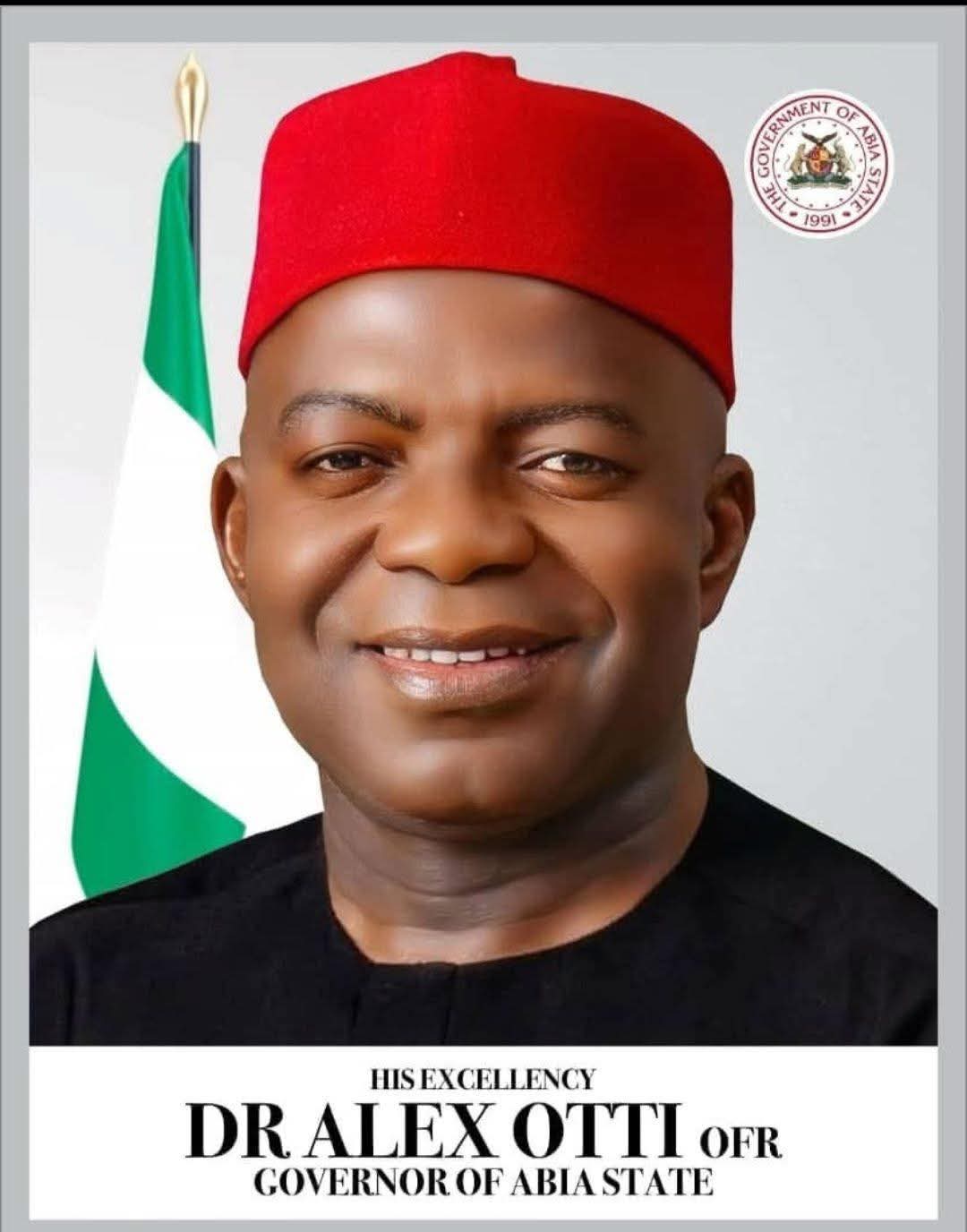
Oyo State Governor and presidential candidate of the Allied Peoples Movement (APM), Seyi Makinde, and his party have dragged Abia State Governor, Alex Otti, and three others before the state High Court over the N200 million campaign advertising permit fee imposed on presidential candidates.
The suit, marked HC/214/2026, was filed by their counsel, Musibau Adetunbi (SAN), challenging the legality of the fee prescribed by the Abia State Structures for Signages and Advertising Agency (ABSSAA) for presidential candidates seeking to display campaign billboards and other outdoor advertisements in the state.
The plaintiffs are asking the court to declare the fee unconstitutional and inconsistent with the Electoral Act 2026 and other relevant laws.
The defendants joined in the suit are the Abia State Attorney-General, ABSSAA and the Abia State House of Assembly.
ABSSAA had announced in July that presidential candidates would pay N200 million for campaign advertising permits during the approved campaign period. The agency also fixed N150 million for governorship candidates, N100 million for senatorial candidates, N50 million for House of Representatives candidates and N20 million for State House of Assembly candidates.
The agency said the fee structure applied to candidates of all political parties and was intended to regulate outdoor advertising, ensure public safety and maintain order in the state’s advertising environment. Abia government officials have also maintained that the policy would apply uniformly to all candidates.
However, Makinde and the APM argued that the N200 million presidential campaign fee would place an excessive financial burden on candidates and could conflict with the federal framework regulating election campaigns.
In their suit, the plaintiffs asked the court to determine whether the fee imposed by ABSSAA was valid in view of provisions of the 1999 Constitution and the Electoral Act 2026.
They are seeking, among other reliefs, an order setting aside the regulations made by ABSSAA relating to political campaign advertising, including the N200 million fee or any amount imposed on presidential candidates.
They are also seeking an injunction restraining the defendants, their agents and representatives from enforcing the campaign advertising fee or removing, defacing, destroying or obstructing the placement of the plaintiffs’ campaign billboards and outdoor advertisements within Abia State.
The plaintiffs contended that the fee was inconsistent with provisions of the Constitution and the Electoral Act, particularly those relating to campaign regulation and expenditure limits.
They argued that the Independent National Electoral Commission (INEC) was constitutionally empowered to regulate political campaigns and that state regulatory bodies could not exercise their powers in a manner that allegedly undermined federal electoral legislation.
According to the plaintiffs, Section 99 of the Electoral Act 2026 prohibits the use of state apparatus or regulatory bodies to the advantage or disadvantage of any political party or candidate.
They further argued that the N200 million charge could undermine what they described as a level playing field if candidates were required to pay similar amounts in other states.
The plaintiffs also referred to the statutory limit on presidential campaign expenditure, arguing that a N200 million charge in a single state for billboard advertising would consume a substantial portion of the permitted campaign expenditure if similar fees were imposed nationwide.
They consequently urged the court to declare the ABSSAA fee schedule null and void to the extent that it conflicts with federal electoral legislation.
The Makinde/APM legal action comes amid wider debate over the cost of political advertising ahead of the 2027 general elections.
The Outdoor Advertising Association of Nigeria (OAAN) had also expressed reservations about the Abia fee structure, describing the rates as unsustainable and warning that they could affect political advertising and voter engagement.
Meanwhile, the Abia government has defended the policy, insisting that it applies to all political parties and candidates and is aimed at ensuring orderly outdoor campaigns, public safety and proper regulation of advertising spaces.
The plaintiffs, however, maintained that unless the court intervenes, the fee could adversely affect the APM presidential campaign and undermine the party’s ability to deploy outdoor campaign materials across Abia.
They are asking the court to determine whether the challenged fee is lawful and whether ABSSAA can impose and enforce the N200 million charge on presidential candidates during the 2027 election campaign.