


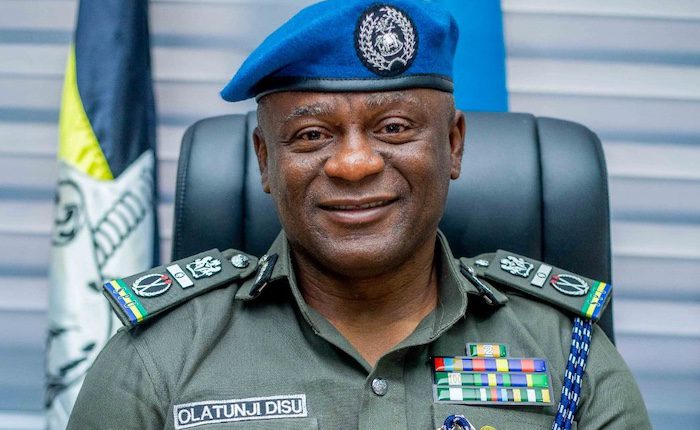
The push for the establishment of state police in Nigeria gathered fresh momentum on Thursday as the Inspector-General of Police, Olatunji Rilwan Disu, formally submitted a comprehensive framework to the Senate for consideration.
The 75-page document, which outlines modalities for the creation, governance and coordination of federal and state police structures, was received by Deputy Senate President, Barau Jibril, at the National Assembly in Abuja.
The submission was made through the Chairman of the Nigeria Police Force committee on state police, Professor Olu Ogunsakin, as part of ongoing efforts to reform Nigeria’s security architecture through decentralised policing.
The proposed framework is expected to contribute to the ongoing review of the 1999 Constitution, which the Senate Committee, chaired by Jibril, is currently undertaking.
Speaking after receiving the document, Jibril commended the IGP for what he described as a proactive step towards enhancing national security in line with the agenda of President Bola Ahmed Tinubu.
He assured that the Senate would subject the framework to thorough scrutiny alongside other memoranda submitted for constitutional amendment.
According to him, the document would play a key role in shaping legislative decisions on the proposed decentralisation of policing in the country.
The framework, titled “A Comprehensive Framework for the Establishment, Governance and Coordination of Federal and State Police,” provides detailed operational, legal and administrative guidelines for the proposed system.
In his remarks, the IGP said the report reflected extensive consultations and professional input aimed at addressing Nigeria’s security challenges through a more grassroots-oriented policing model.
“The report covers considered views, professional insights and strategic recommendations derived from careful assessment of the implications of instituting state police in Nigeria,” he said.
He expressed optimism that the document would support informed and balanced deliberations by lawmakers on what he described as a critical component of Nigeria’s security reform.
The move marks a significant step in the long-standing debate over state policing, as stakeholders continue to push for a more responsive and locally driven security system across the country.