


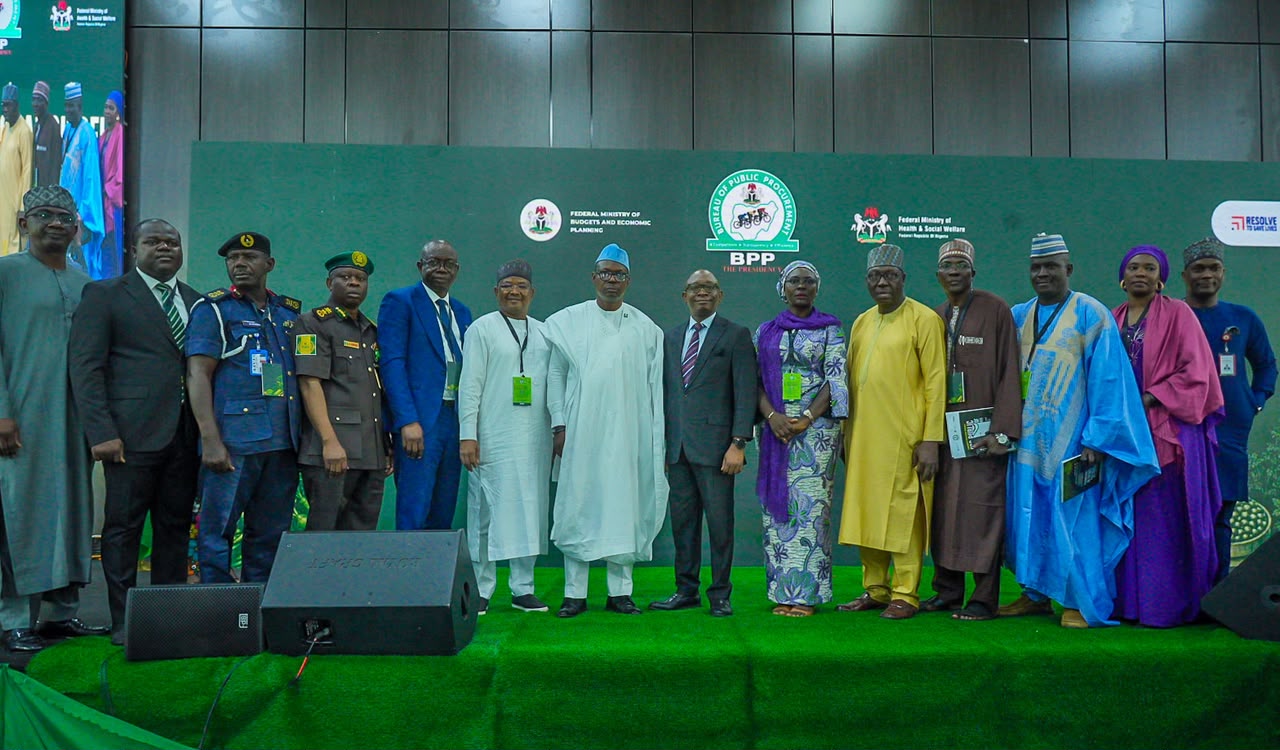
ABUJA – The Federal Government has unveiled the National Guidelines for Public Procurement of Food and Related Services as part of efforts to improve nutrition, tackle malnutrition and curb the rising cases of diet-related diseases across the country.
Speaking at the launch in Abuja on Monday, the Minister of State for Health and Social Welfare, Dr. Iziaq Adekunle Salako, said the new guidelines would ensure that food purchased by government institutions meets healthier nutritional standards while strengthening the nation’s food system.
He explained that government, being the country’s largest institutional buyer of food, has a critical role to play in promoting healthy eating through its procurement policies.
“Government procurement must not merely respond to markets; it must help to shape them. When government demands healthier, safer and more nutritious food, it creates incentives for the entire food system to innovate, improve quality and align with higher public health standards,” Salako said.
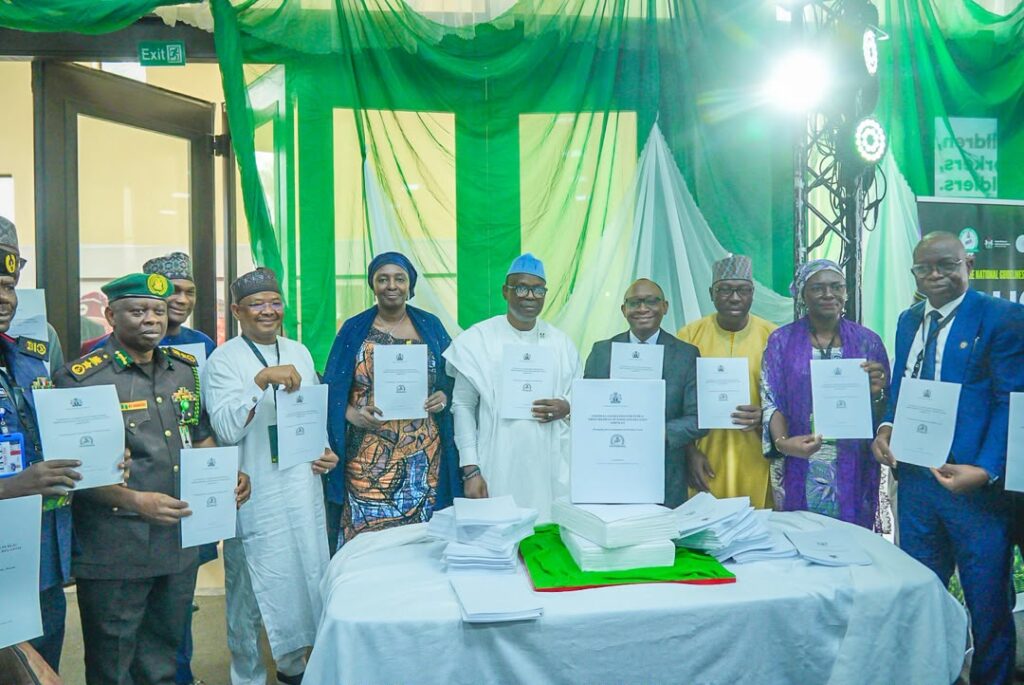
According to the minister, the guidelines set evidence-based standards for food supplied to schools, hospitals, correctional centres, military formations and other public institutions by limiting sodium, sugar and unhealthy fats while encouraging balanced diets.
He said the initiative supports existing government policies such as the National Guideline for Sodium Reduction, the Trans-Fat Regulation and the National Policy on Food Safety and Quality under President Bola Tinubu’s Renewed Hope Agenda.
Describing the launch as a major governance reform, Salako said procurement should no longer be viewed as a routine administrative process but as a powerful tool for improving public health, boosting human capital and driving economic growth.
The minister warned that unhealthy diets remain a major cause of preventable deaths and non-communicable diseases globally and in Nigeria.
Quoting World Health Organisation (WHO) figures, he said unhealthy diets account for about 7.2 million deaths worldwide every year, while the average Nigerian consumes 3.9 grams of sodium daily, almost twice the WHO’s recommended limit.
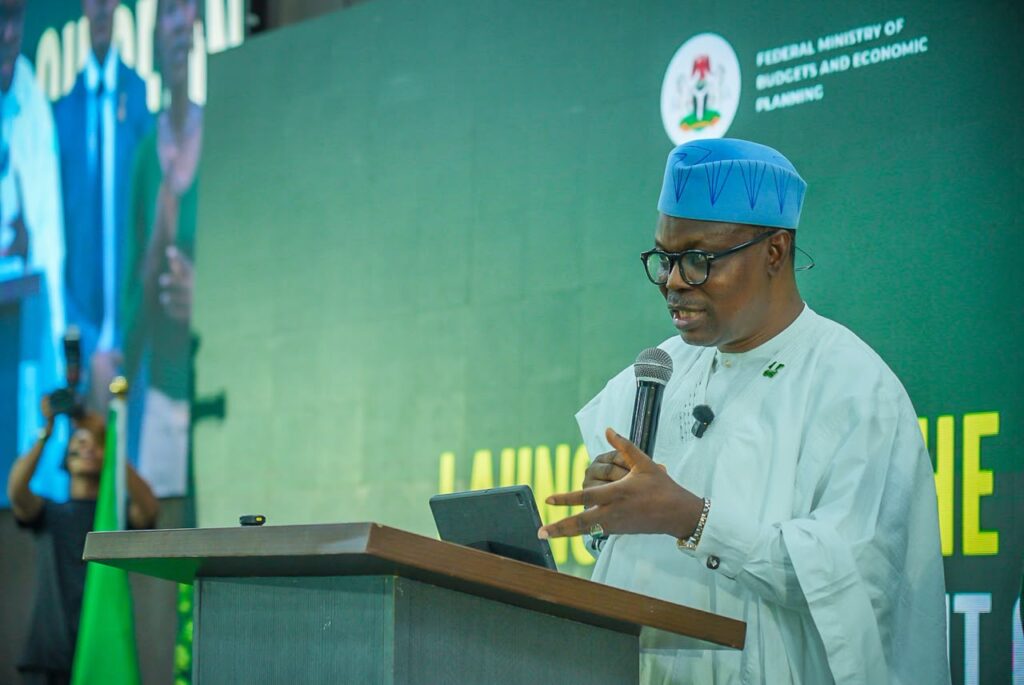
Salako also raised concerns over child malnutrition, revealing that nearly four in every 10 Nigerian children under five are stunted, while about two million children suffer severe acute malnutrition annually.
“These are not merely health statistics. They represent profound human capital challenges with significant implications for educational attainment, labour productivity, household prosperity, national competitiveness and sustainable economic growth,” he said.
He noted that the guidelines would not only improve the quality of meals served in public institutions but also encourage farmers, food processors and suppliers to produce healthier food.
Salako said the initiative aligns with the Nigeria Health Sector Renewal Investment Initiative, which focuses on disease prevention, health promotion and Universal Health Coverage.
He also highlighted reforms such as the Medipool initiative, designed to improve transparency, strengthen supply chains and ensure value for money in the procurement of health commodities.
The minister commended the Bureau of Public Procurement (BPP), the Federal Ministry of Budget and Economic Planning, Resolve to Save Lives and other development partners for developing the guidelines.
He urged procurement officers, accounting officers and heads of public institutions to ensure strict implementation of the policy, stressing that its success would be reflected in healthier meals served in schools, hospitals, correctional centres and other government establishments.
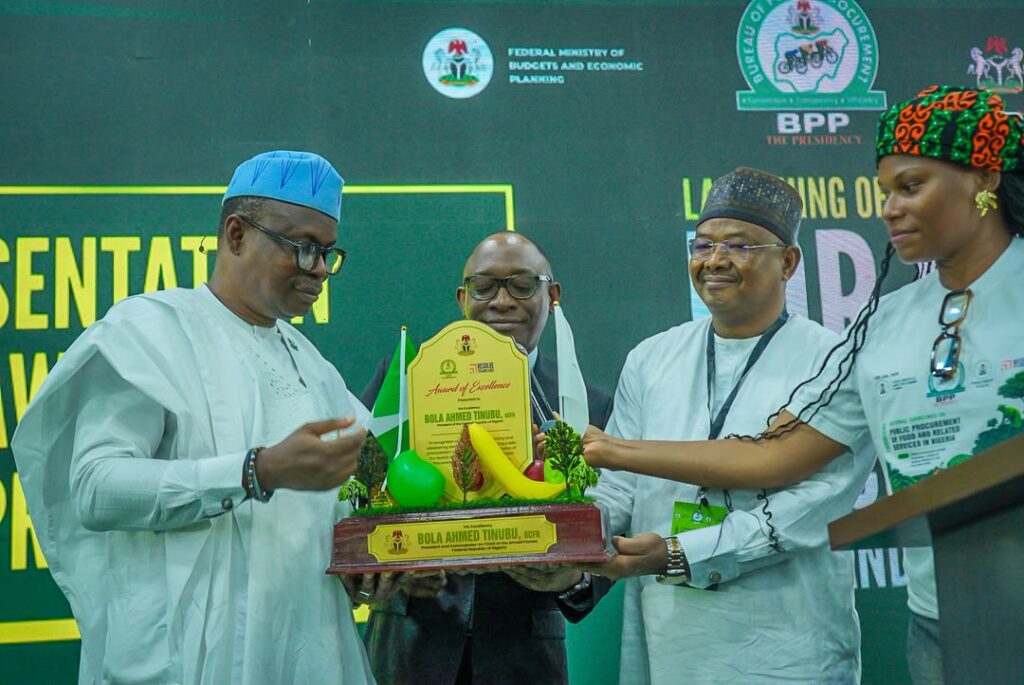
“The true impact of today will be measured by healthier meals served in our schools, hospitals, correctional centres, military establishments and other public institutions, and ultimately by measurable improvements in the health, nutrition and wellbeing of the Nigerian people,” he added.