


• Says FG borrowing 90.5% higher than 2025 figure
• Queries subsidy savings, oil revenues
• Warns government borrowing is crowding out businesses
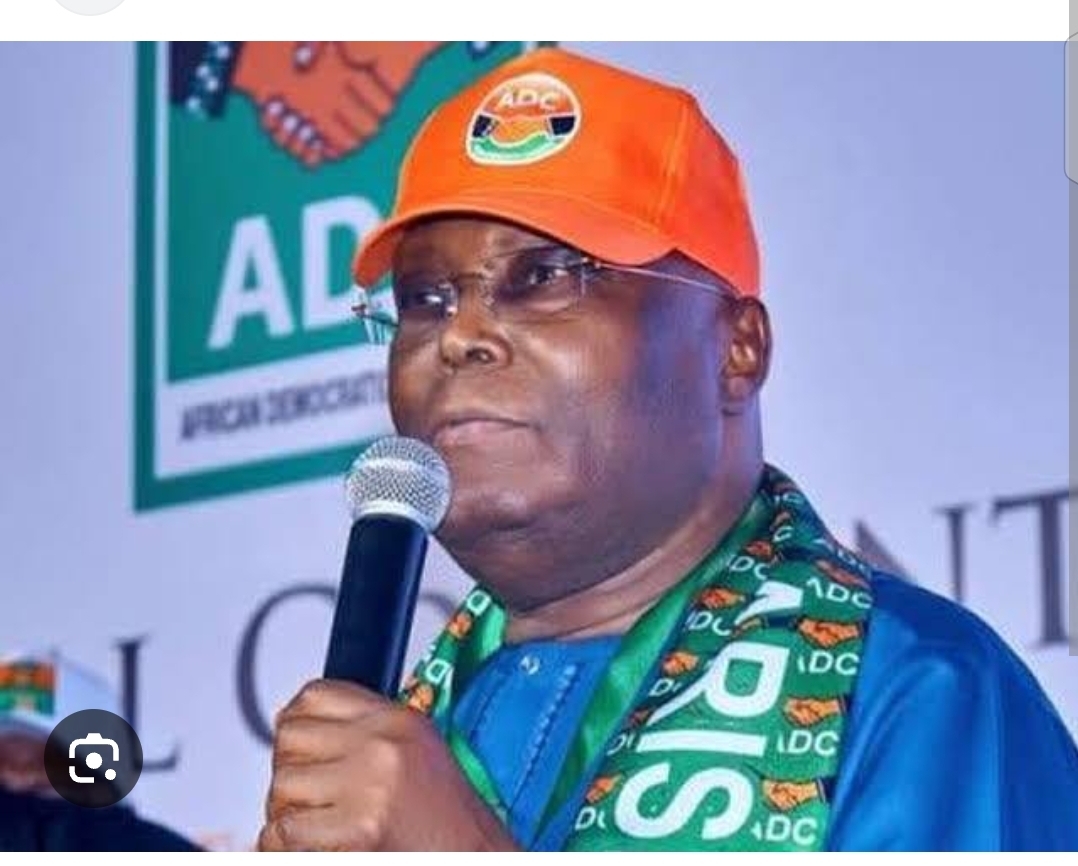
Former Vice President Atiku Abubakar has challenged the Federal Government to explain its decision to borrow N24.7 trillion from the domestic market between January and August 2026, despite rising crude oil prices, increased revenues and the removal of fuel subsidy.
Atiku, the presidential candidate of the African Democratic Congress (ADC), said the surge in domestic borrowing under President Bola Tinubu raised serious questions about the government’s fiscal management and was making access to credit more difficult and expensive for Nigerian businesses.
In a statement issued yesterday in Abuja by his Senior Special Assistant on Public Communication, Phrank Shaibu, Atiku said government borrowing during the first eight months of 2026 was 90.5 per cent higher than the N12.98 trillion borrowed during the corresponding period in 2025.
He described the development as troubling, particularly because the 2026 budget was based on an oil price benchmark of $64.85 per barrel, while crude oil prices subsequently rose above the benchmark.
According to him, higher oil prices, increased government revenues and the removal of fuel subsidy should ordinarily have reduced the government’s reliance on domestic borrowing.
“Instead of this windfall translating into lower borrowing, stronger businesses and relief for Nigerians, the Federal Government went into the domestic market and borrowed a staggering N24.7 trillion between January and August 2026,” he said.
The former vice president consequently demanded an account of the additional revenues accruing to the country.
“So the question Nigerians must ask again is very simple: where is the money going?” he asked.
Atiku also warned that the government’s growing demand for domestic credit was coming at the expense of businesses.
He cited figures showing that credit to government increased by 43 per cent, compared with 9.6 per cent growth in credit to the private sector.
According to him, government borrowing was therefore expanding about 4.5 times faster than credit to businesses, a trend he said could undermine investment, production and job creation.
“This government is not merely borrowing money; it is borrowing away the future of Nigerian businesses,” Atiku said.
He argued that commercial banks could prefer lending to government at attractive and relatively low-risk rates rather than extending credit to manufacturers, farmers and entrepreneurs.
Such a situation, he said, would make borrowing more expensive for productive sectors and weaken the ability of businesses to expand and create jobs.
The ADC presidential candidate said the private sector should be a major beneficiary of economic reforms, stressing that businesses required affordable capital to increase production, employ more workers and contribute to economic growth.
He warned that rising borrowing costs could force businesses to delay expansion, increase production expenses and ultimately contribute to higher prices for consumers.
Atiku promised that, if elected president, his administration would pursue fiscal discipline, reduce waste, prioritise productive expenditure and gradually reduce government’s dependence on domestic borrowing.
“Government must make room for the private sector to breathe, invest, produce and employ,” he said.
Atiku also demanded greater transparency over savings from fuel subsidy removal, additional government revenues and increased earnings from higher crude oil prices.
“After three years of sacrifice, Nigerians deserve to see what happened to the subsidy savings, the additional revenues and the crude-oil windfall,” he said.
He maintained that increased government revenues should translate into stronger businesses, more jobs and improved living standards rather than increased borrowing.
“You cannot collect more, earn more and still borrow more — while asking hungry Nigerians to sacrifice more. Something is fundamentally wrong with that equation,” Atiku said.