


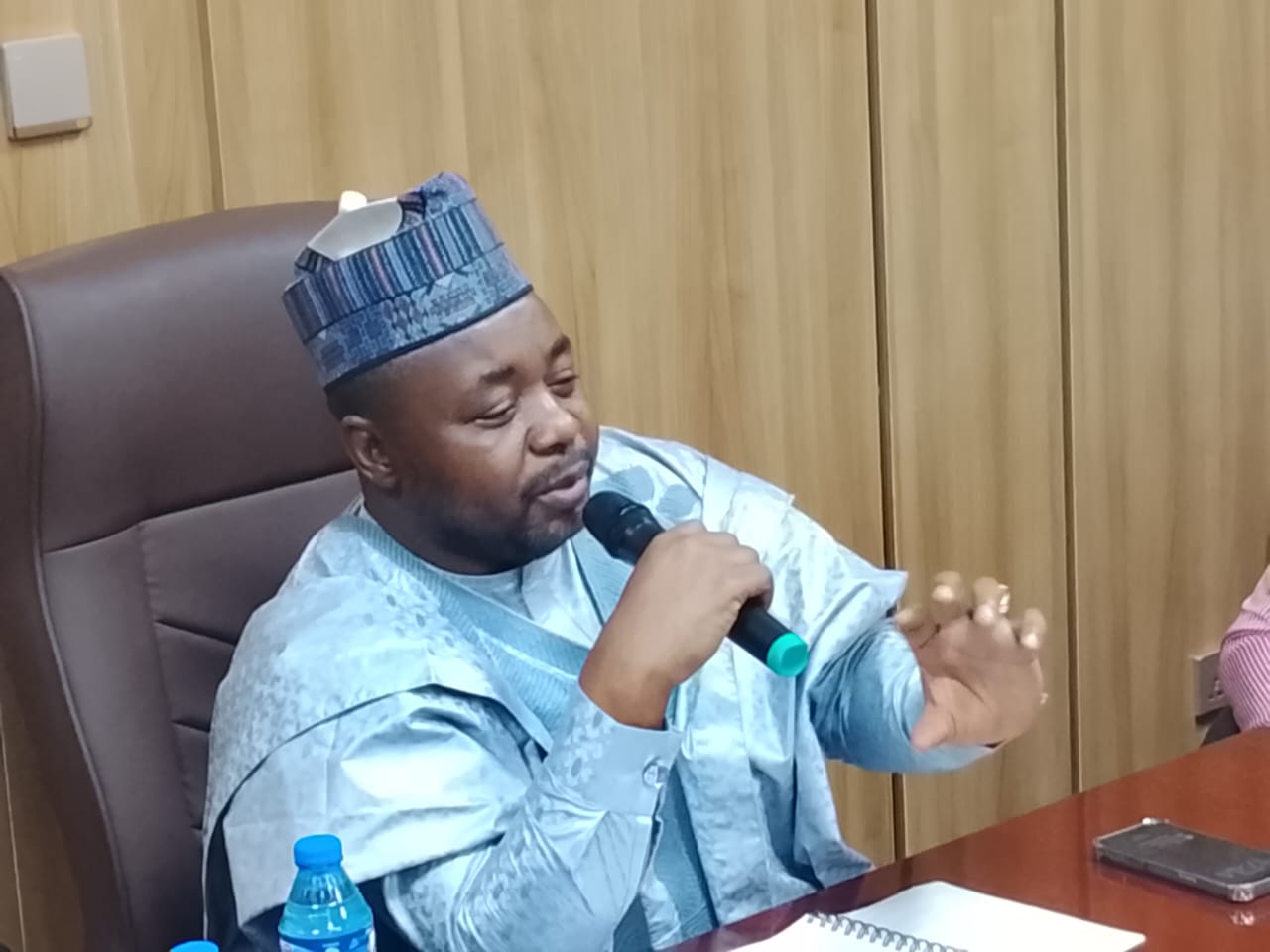
The Kano State Government has launched an ambitious 12-month rehabilitation programme aimed at taking 10,000 drug-dependent youths off the streets and helping them return to productive lives.
Chairman of the Kano State Multi-Agency Task Force on Drug Abuse, Barrister Muhyi Magaji Rimingado, disclosed this while briefing journalists in Kano.
He said the programme would combine drug detoxification, psychological treatment, skills acquisition and economic empowerment to tackle drug dependence and its social consequences.
Rimingado explained that the initiative represented a shift from a punishment-driven approach to one focused on rehabilitation, recovery and reintegration.
“Our objective is not merely to punish offenders but to rehabilitate them, equip them with productive skills and reintegrate them into society as responsible citizens,” he said.
According to him, 71 suspected drug offenders have been arrested during recent operations, while 11 have been convicted and remanded in prison.
He added that every suspect arrested undergoes clinical assessment to determine the level of substance dependence before appropriate treatment is recommended.
The task force chairman disclosed that 41 inmates are currently receiving treatment at the Kiru Rehabilitation Centre, where they undergo medical detoxification, psychological counselling and behavioural therapy under professional supervision.
Beyond treatment, Rimingado said the rehabilitation programme would provide beneficiaries with career guidance and vocational training to enable them to earn legitimate livelihoods after recovery.
He explained that those who successfully complete the programme would be organised into cooperative groups and supported to establish small businesses in partnership with the private sector.
The businesses, he added, would be formally registered with the Corporate Affairs Commission (CAC), providing beneficiaries with sustainable sources of income while helping to keep them away from criminal gangs and street life.
Rimingado stressed that tackling the social and economic factors driving drug abuse was critical to achieving lasting peace and public safety in Kano.
He maintained that rehabilitation, skills development and economic empowerment would provide a more sustainable solution to drug abuse than relying on law enforcement and punishment alone.