


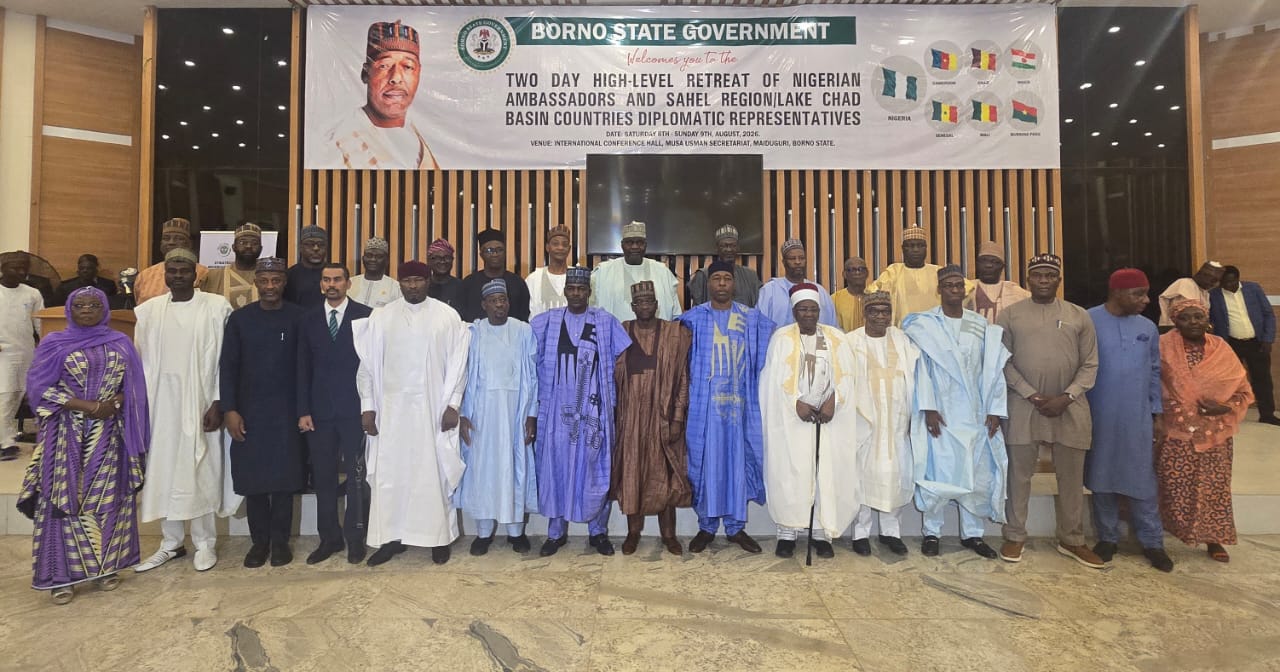
Maiduguri, Nigeria — Nigeria has called for a diplomatic reset with Mali, Niger and Burkina Faso while urging stronger regional coordination to tackle terrorism and cross-border crime, in a significant shift aimed at stabilising the Sahel and Lake Chad Basin.
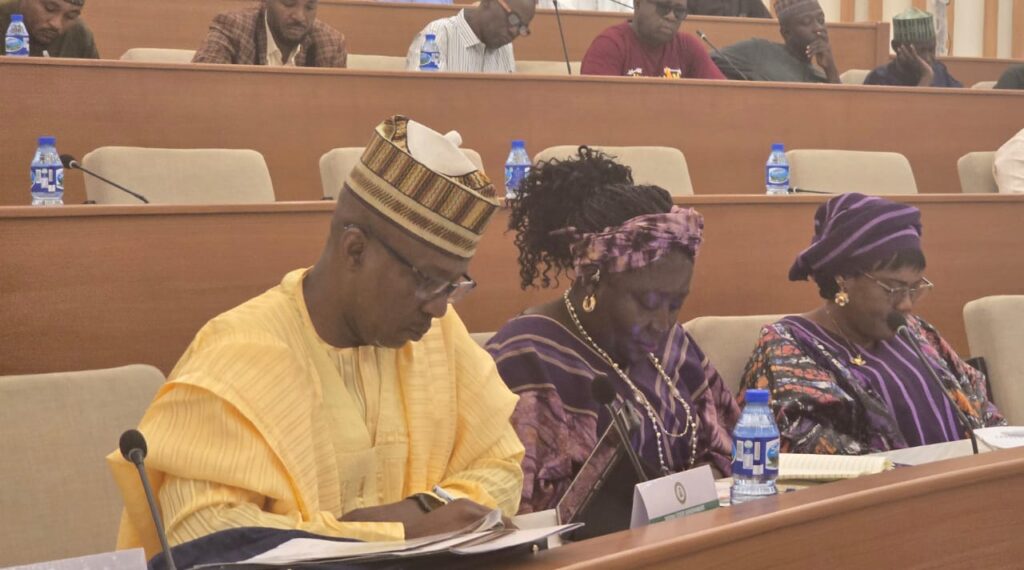
The Minister of State for Foreign Affairs, Ambassador Sola Enikanolaiye, made the call at a high-level retreat of Nigerian ambassadors and Sahel/Lake Chad diplomatic representatives in Maiduguri, Borno State, where security and political tensions in West Africa dominated discussions.
“This also requires that we mend fences with the Alliance of Sahelian States (AES) of Burkina Faso, Mali and Niger at the political and diplomatic levels,” Enikanolaiye said, signalling Abuja’s intention to rebuild strained ties with the military-led governments.
He warned that instability across the Sahel has direct consequences for Nigeria’s security and economy, stressing the deep regional interdependence.
“What happens in Niamey affects Maiduguri. What happens in N’Djamena influences Borno,” he said.
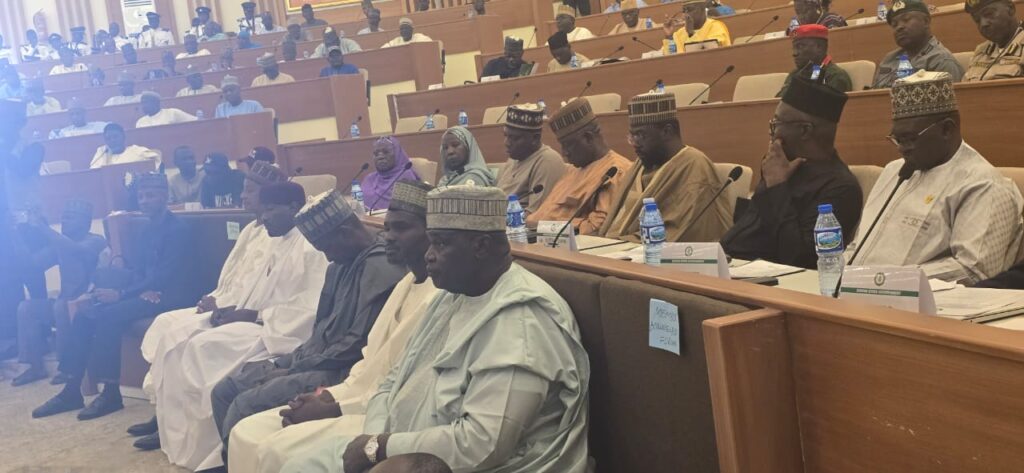
The diplomatic outreach comes amid shifting alliances in the Sahel, where AES countries have distanced themselves from traditional regional blocs, raising concerns about fragmentation and weakening collective security frameworks.
At the same retreat, the Permanent Secretary of the Ministry of Foreign Affairs underscored the urgency of coordinated action against what he described as a “complex interplay of challenges,” including violent extremism, organised crime, irregular migration and humanitarian pressures.
“Developments within the Sahel have profound implications for Nigeria’s national security,” he said, adding that no country can address the threats alone.
Officials called for strengthened collaboration through regional institutions such as ECOWAS and the Multinational Joint Task Force (MNJTF), particularly in intelligence sharing and joint military operations across borders.
Enikanolaiye emphasised that Nigeria’s approach would prioritise diplomacy and cooperation over confrontation.
“Our response must be collective, coordinated and forward-looking,” he said. “Our objective is not to dictate regional outcomes, but to work collaboratively with our neighbours in finding practical solutions to common challenges.”
The Maiduguri retreat is expected to produce a strategic framework — the Maiduguri Roadmap — to guide Nigeria’s engagement with Sahel and Lake Chad Basin countries, including mechanisms for sustained political dialogue and enhanced security cooperation.
Analysts say the combined push for diplomatic rapprochement and joint security action reflects a pragmatic recalibration of Nigeria’s foreign policy, aimed at rebuilding trust, preventing further regional fragmentation and strengthening efforts to combat terrorism in West Africa.