


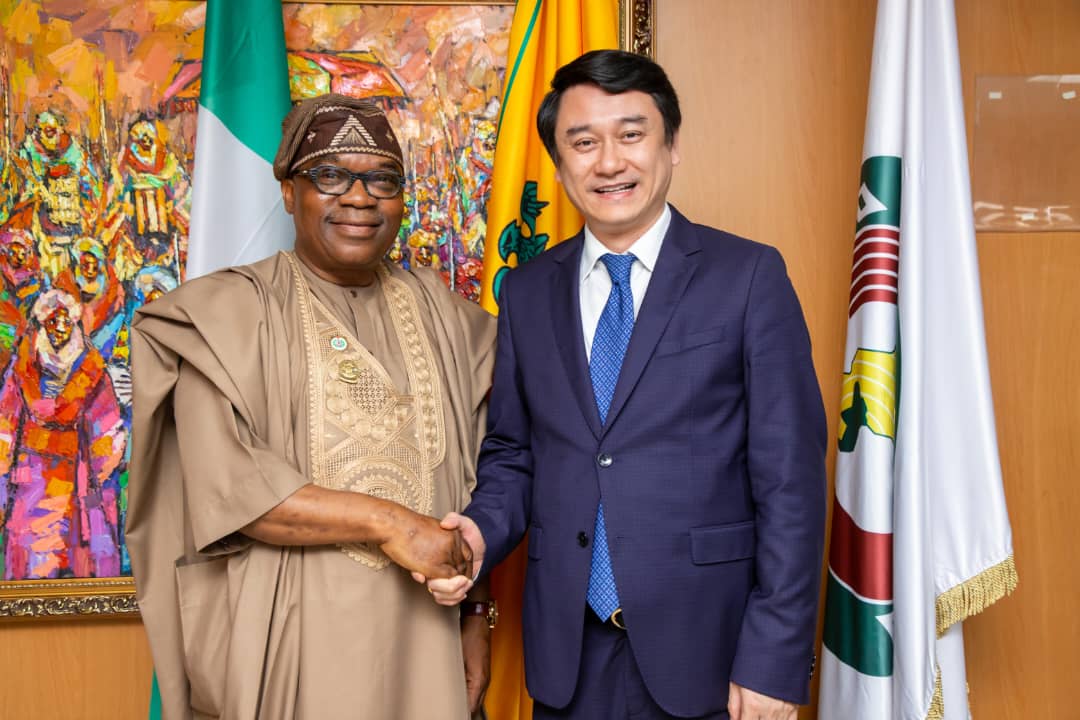
ABUJA, Nigeria — Nigeria and Vietnam have moved to strengthen their strategic partnership with a renewed push to deepen trade, investment, and economic cooperation between both countries.
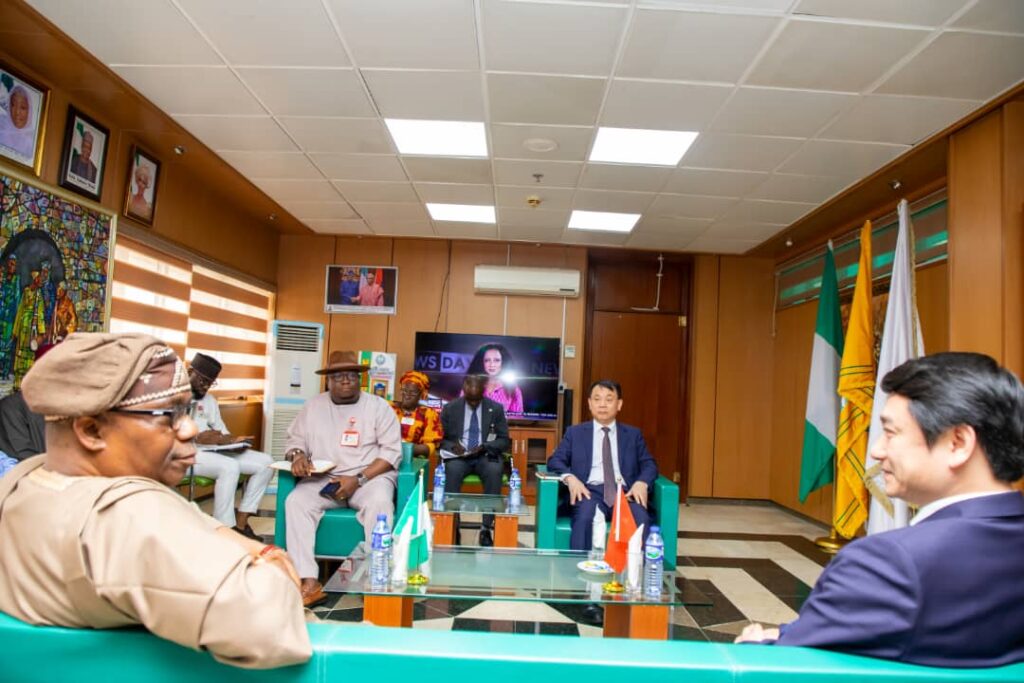
The development followed a high-level meeting in Abuja between Nigeria’s Minister of State for Foreign Affairs, Ambassador Sola Enikanolaiye, and Vietnam’s Deputy Minister of Foreign Affairs, Le Anh Tuan, where both sides reaffirmed their commitment to translating longstanding diplomatic ties into tangible economic benefits.
The details were contained in a statement signed by Kimiebi Imomotimi Ebienfa, spokesperson for the Ministry of Foreign Affairs.
During the talks, the Vietnamese Deputy Minister emphasised the urgent need to strengthen the legal and institutional frameworks guiding bilateral relations, calling for the early conclusion of key agreements, including those on investment protection, double taxation avoidance, and broader economic cooperation.
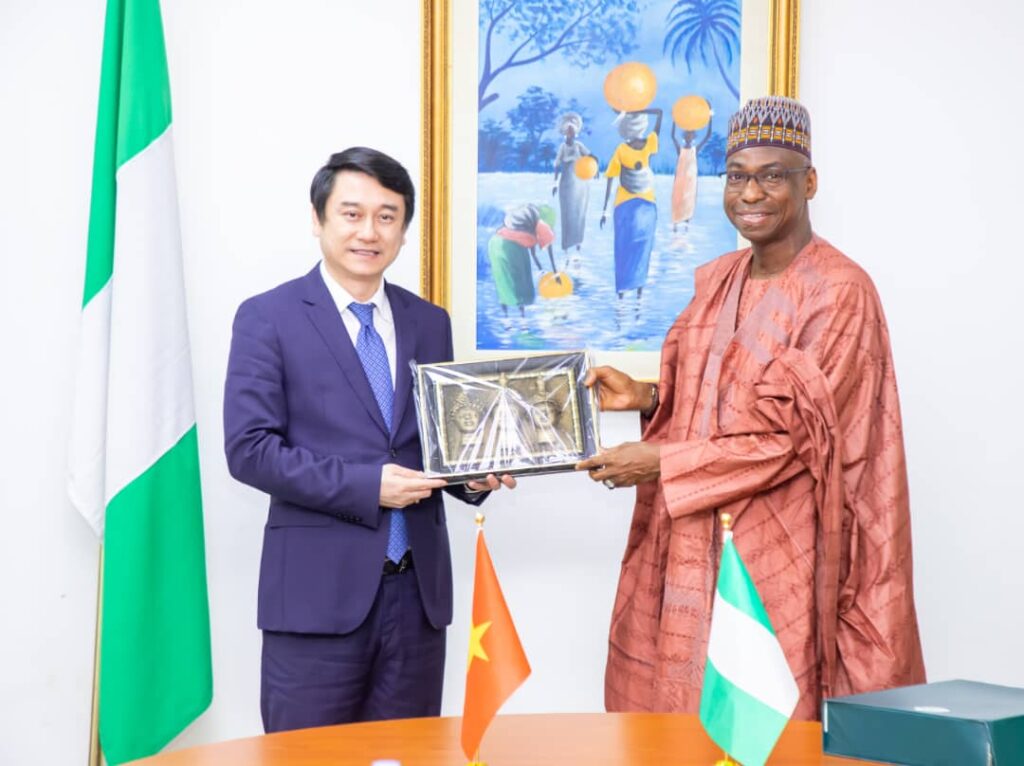
“These instruments will provide a stronger foundation for enhanced economic cooperation and create greater confidence for investors and businesses operating in both countries,” he said.
In response, Enikanolaiye welcomed the growing momentum in Nigeria-Vietnam relations, stressing Nigeria’s readiness to expand engagement across political, economic, and technical sectors. He highlighted the importance of sustained high-level exchanges and disclosed Nigeria’s willingness to undertake official visits to Vietnam, alongside discussions for a potential presidential state visit.
The minister linked the engagement to Nigeria’s broader foreign policy objective of strategic autonomy, aimed at building mutually beneficial global partnerships based on national interest and shared prosperity.
A key area identified for collaboration is the textile and garment industry, where Vietnam has established global competitiveness. Nigeria, which once had one of Africa’s largest textile sectors, is seeking partnerships to revitalise the industry through investment, technology transfer, and skills development.
Enikanolaiye also stressed the need for stronger private sector participation, noting that long-term success in bilateral relations depends on active collaboration between business communities, chambers of commerce, and investors from both countries.
“The private sector must play a central role in driving investment, manufacturing partnerships, and commercial exchanges between Nigeria and Vietnam,” he stated.
Earlier, Vietnam’s delegation held a broader bilateral session with Nigerian officials led by the Permanent Secretary of the Ministry of Foreign Affairs, Ambassador Dunoma Umar Ahmed. He commended over five decades of diplomatic relations between both countries and expressed optimism about expanding cooperation across priority sectors.
Both countries agreed to intensify high-level engagements and institutional consultations, including plans to finalise an Agreement on Political Consultations, with the inaugural session proposed for Vietnam in 2027.
Nigeria also reaffirmed its commitment to strengthening ties with Southeast Asia, referencing its accession to the Treaty of Amity and Cooperation in 2021, while supporting deeper collaboration between ASEAN, the African Union, and ECOWAS to advance economic integration and sustainable development.
The renewed partnership is expected to unlock new opportunities in trade, manufacturing, and cross-border investments, positioning both countries for stronger economic collaboration in the years ahead.


